
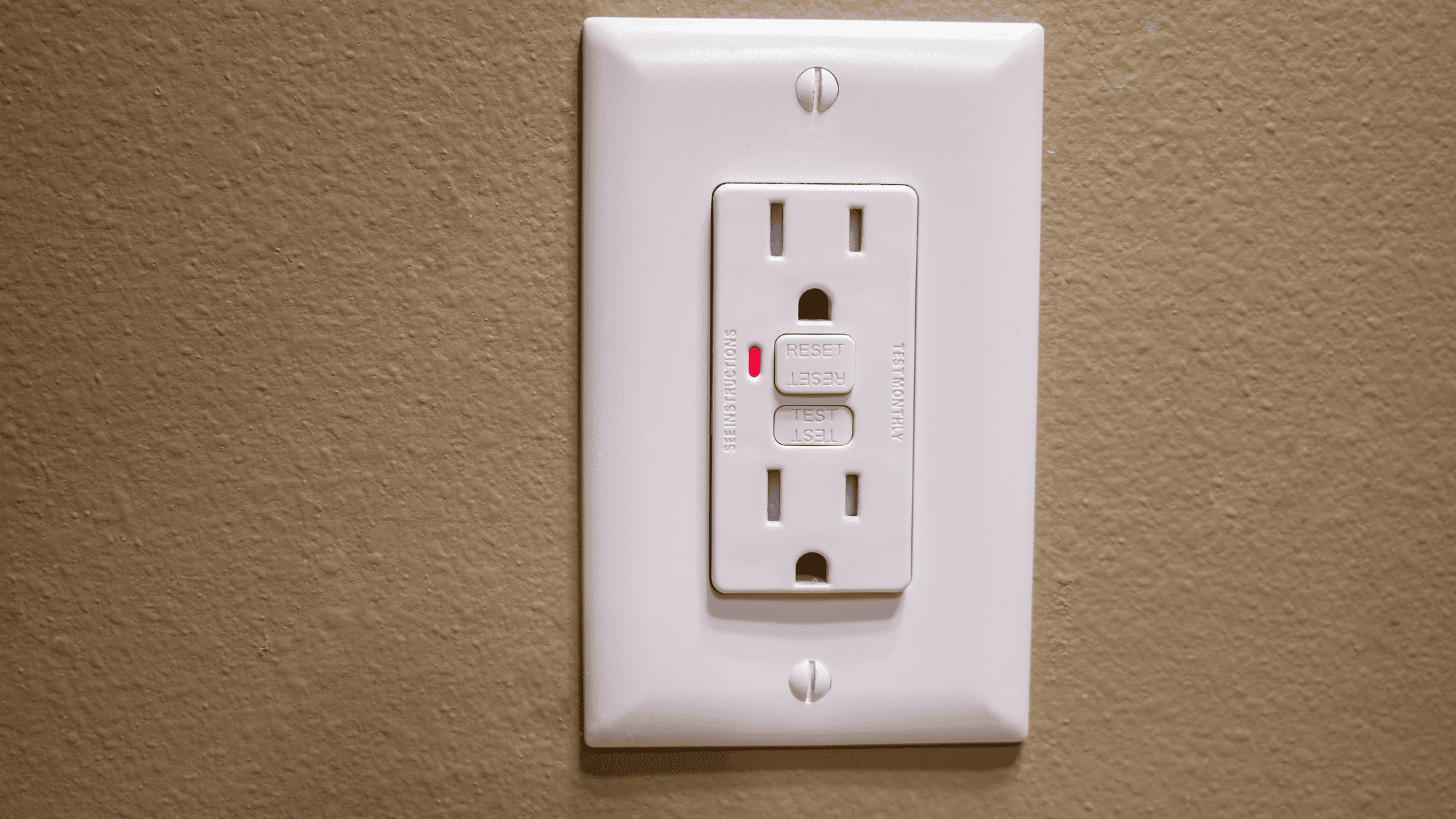
Quick answer: A buzzing outlet should be treated as an electrical warning, especially when the sound is new, persistent, accompanied by heat, discoloration, a burning odor, sparks, or a repeatedly tripped breaker. Stop using the outlet and arrange for a licensed electrician to inspect it. If there is smoke, active sparking, or fire, leave the area and call emergency services.
Outlets normally operate quietly. A faint sound from a plug-in device may come from the device itself, but noise that clearly originates inside the receptacle or wall can point to loose connections, damaged components, arcing, or an overloaded circuit. An electrician in Olathe can test the outlet, trace the circuit, and determine whether the problem is limited to one receptacle or part of a larger wiring issue.
What Can Make an Outlet Buzz?
Several conditions can create a buzzing or crackling sound. The exact cause cannot be confirmed safely from sound alone. A loose wire connection is one possibility. Electricity may not move cleanly through a damaged or poorly connected point. That can produce heat or arcing. A worn receptacle can also lose its grip on a plug, creating an unreliable connection.
The sound may come from a switch, dimmer, USB receptacle, plug-in transformer, or electronic device rather than the outlet. Modern controls contain electronic components that can produce noise under certain conditions. Even so, new or unusually loud buzzing should be investigated rather than dismissed.
Which Warning Signs Make the Situation More Urgent?
Stop using the outlet when buzzing appears with any of these signs:
- The cover plate or plug feels warm or hot
- The outlet looks brown, scorched, cracked, or melted
- There is a burning or hot-plastic odor
- Lights dim when the outlet is used
- The plug fits loosely or falls out
- The breaker trips repeatedly
- Sparks continue after a device is plugged in
- The sound comes from inside the wall
Do not remove the cover plate or insert a tester if the outlet is hot, damaged, or actively sparking. Switch off the affected circuit only if it can be done safely and without approaching smoke or fire.
Could the Appliance Be the Problem?
Yes. Unplug the device only if the outlet is cool, there is no smoke, and doing so is safe. Then leave the outlet unused. If the sound stops, the device or its power supply may be involved. That does not automatically clear the outlet. A loose receptacle, poor contact, or overloaded circuit may become noticeable only when a particular appliance is connected. Avoid testing several other appliances in the same suspect outlet. Repeatedly recreating the condition can increase heat or damage.
Why Does a Loose Plug Matter?
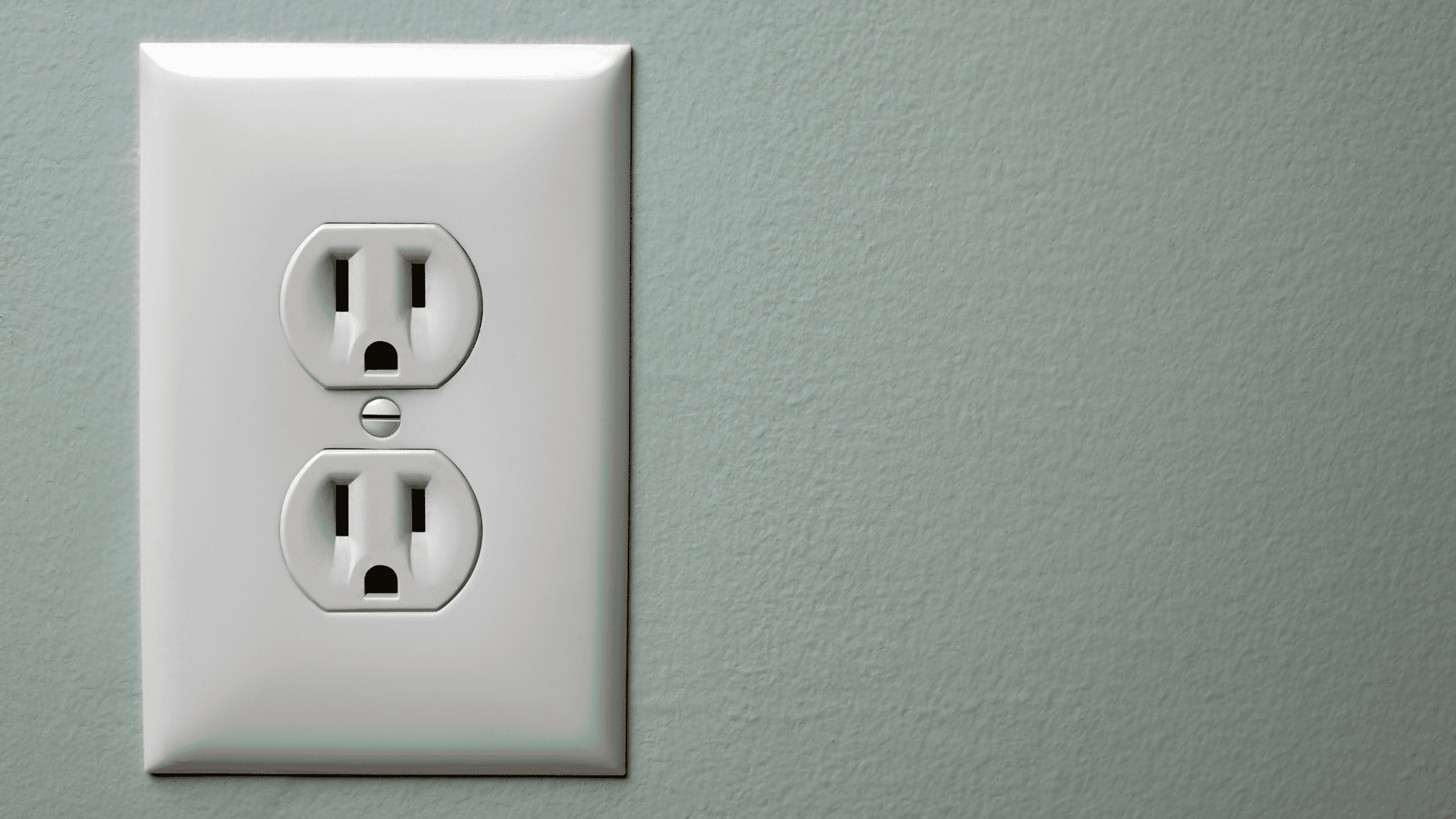
An outlet should hold a plug securely. When the internal contacts wear out, the connection can become unstable. A loose plug may shift, partially disconnect, or generate heat at the contact points.
Replacing a receptacle may sound simple, but the visible device is only one part of the circuit. The electrical box, wire connections, grounding, breaker protection, and condition of nearby wiring may also need evaluation. This is particularly important when there are signs of overheating. An experienced electrical repair company in Olathe can determine whether a receptacle replacement is sufficient or whether the circuit needs broader repair.
Can an Overloaded Circuit Cause Buzzing?
An overloaded circuit may contribute to heat, voltage drop, or breaker operation. High-demand appliances should not be added to a circuit without considering what else it serves. Power strips do not increase circuit capacity. They only provide more connection points. Extension cords are temporary tools, not permanent wiring. If a room routinely depends on multiple cords or adapters, the home may need additional receptacles or a dedicated circuit.
What Will an Electrician Check?
The inspection may include the receptacle, wire terminations, electrical box, grounding, circuit voltage, breaker, and other devices on the same run. The electrician may also ask what was plugged in, how long the noise has occurred, and whether lights or breakers behave differently at the same time. The repair could involve replacing the receptacle, correcting a connection, repairing damaged wiring, moving a high-load appliance to an appropriate circuit, or upgrading protection. The correct solution depends on the findings.
SJ Electric provides residential and commercial repairs, troubleshooting, wiring, panel work, lighting, and safety inspections in Olathe. That range is useful when an outlet symptom turns out to involve more than the outlet itself.
What Should Homeowners Avoid?
Do not cover the sound with furniture and continue using the receptacle. Do not tighten internal connections unless you are qualified to work inside an energized electrical system. Do not replace the breaker with a larger one to stop tripping. Circuit protection must match the wiring and load design. Also avoid relying on smell alone. Some electrical faults produce heat before there is a noticeable odor.
Frequently Asked Questions
Is a quiet hum from a USB outlet always dangerous?
Not always. Electronic components can make faint noise, but a new, loud, intermittent, or worsening sound should be checked, particularly when heat or discoloration is present.
Can I keep using the other half of a duplex outlet?
It is safer to stop using the entire receptacle until the cause is known. Both plug positions may share internal components and wiring.
Why does the outlet buzz only when one appliance is connected?
The appliance may be faulty or may place enough load on the circuit to reveal a weak connection. Both the appliance and the outlet may need evaluation.
Who should inspect a buzzing outlet?
A licensed Olathe electrical repair company can safely test the device and circuit and recommend a repair based on evidence.

We help homeowners. We help people stay powered and safe.
We listen. We troubleshoot. We deliver electrical solutions that work.
Want to talk wiring, lighting, or upgrades? Fill out a form here or call us at (913) 837-3549.
We’re here to keep your home or business running smoothly and efficiently.
Follow SJ Electric on Facebook and Instagram for project highlights, tips, and updates from the Kansas City area.


