
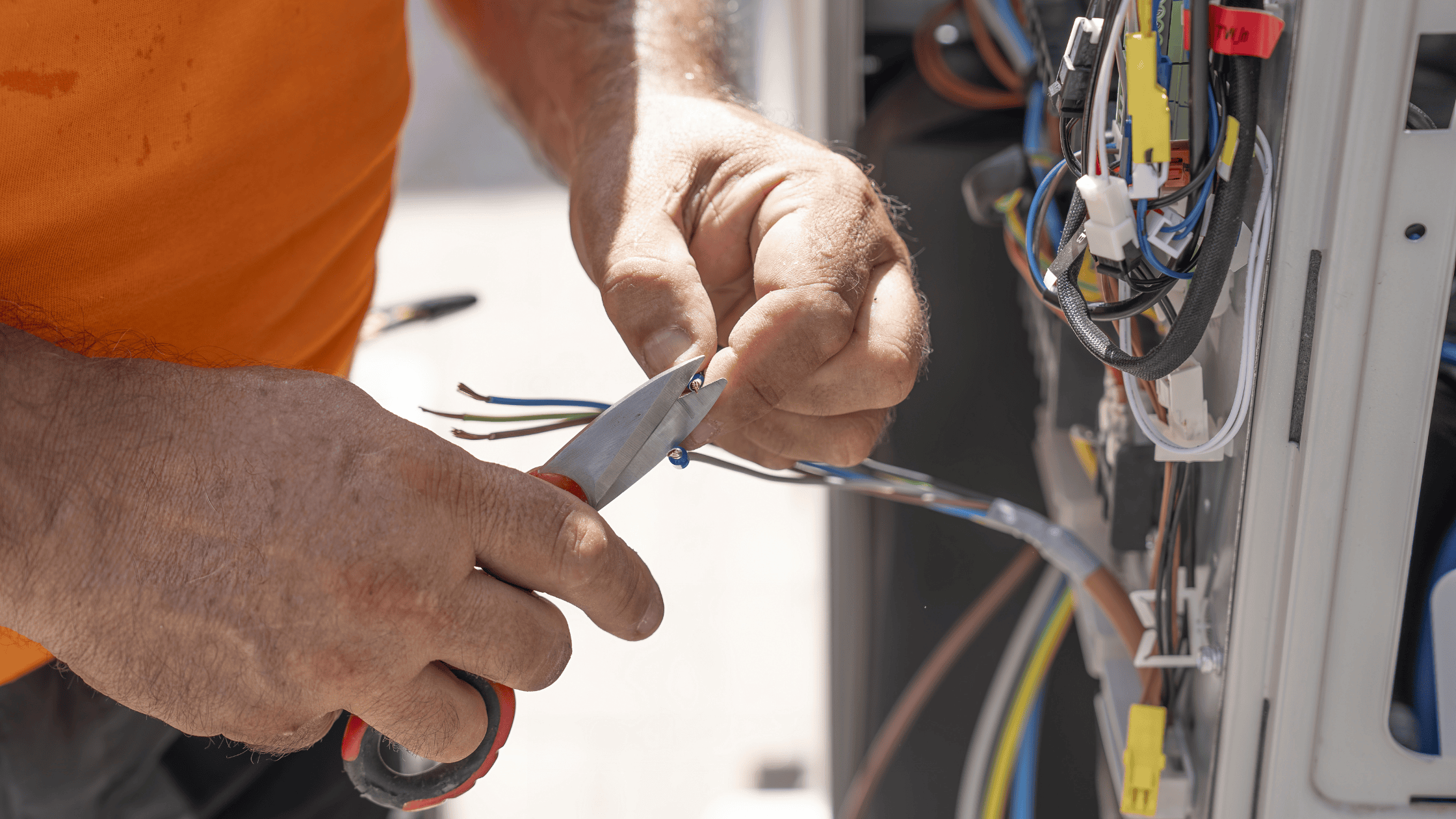
An older home does not need complete rewiring solely because of its age. Rewiring becomes more likely when the electrical system has damaged or obsolete wiring, too few circuits, missing grounding, recurring breaker trips, overheating, unsafe alterations, or inadequate capacity for the household’s current needs. A licensed electrician should inspect the system before a homeowner assumes that a full replacement is necessary.
Many Olathe homes have been updated in stages. A newer panel may feed older branch circuits. A remodeled kitchen may have modern wiring while bedrooms still rely on older receptacles. The safest decision begins with an inspection of the actual system, not a guess based on the year the home was built. Professional electrical wiring in Olathe can range from replacing one damaged circuit to rewiring large portions of a house. The scope should match the evidence.
What Are the Signs That Wiring Needs Attention?
Homeowners should arrange an evaluation when they notice:
- Repeated breaker trips or blown fuses
- Flickering lights across multiple rooms
- Warm, discolored, or buzzing outlets and switches
- Burning odors with no clear source
- Two-prong receptacles where grounded equipment is needed
- Frequent use of extension cords because outlets are limited
- Visible damaged, brittle, or poorly altered wiring
- Shocks or tingling from switches, appliances, or metal fixtures
- A renovation that will add significant electrical load
One symptom does not automatically mean the whole house needs rewiring. It does mean the system deserves a closer look.
What Does “Rewiring” Actually Mean?
The term can describe several different projects. A targeted repair may replace a damaged cable between two points. A circuit update may add grounding or new protection to a specific area. A partial rewire may focus on a kitchen, basement, addition, or remodeled floor. A whole-home rewire replaces most or all branch-circuit wiring.
Homeowners should ask for a written scope that names the areas and circuits included. It should also explain wall access, device replacement, panel work, permits, inspections, and who is responsible for patching finished surfaces.
Does a New Electrical Panel Mean the Wiring Is New?
No. A panel replacement and a whole-home rewire are separate projects. A newer panel can be connected to older circuits. The panel may improve capacity and breaker protection, but it does not change the condition of wiring hidden in walls. An inspection should trace representative circuits and evaluate how older wiring connects to newer equipment.
This is especially important when a home has a history of additions or do-it-yourself remodeling. Electrical systems often contain work from several eras.
Can a Home Be Updated in Phases?
Often, yes. A phased plan may prioritize damaged wiring, ungrounded areas, high-demand rooms, and circuits affected by renovation. Kitchens, bathrooms, laundry areas, garages, basements, and exterior locations may have different protection and load needs.
Phasing can reduce disruption, but it requires a clear long-term plan. New work should not create dead ends or force repeated demolition later. The electrician should consider future panel capacity, circuit routing, and planned appliances. An Olathe electrical wiring company can outline which work is urgent, which upgrades support a current remodel, and which items can reasonably wait.
How Do Modern Electrical Loads Change the Decision?
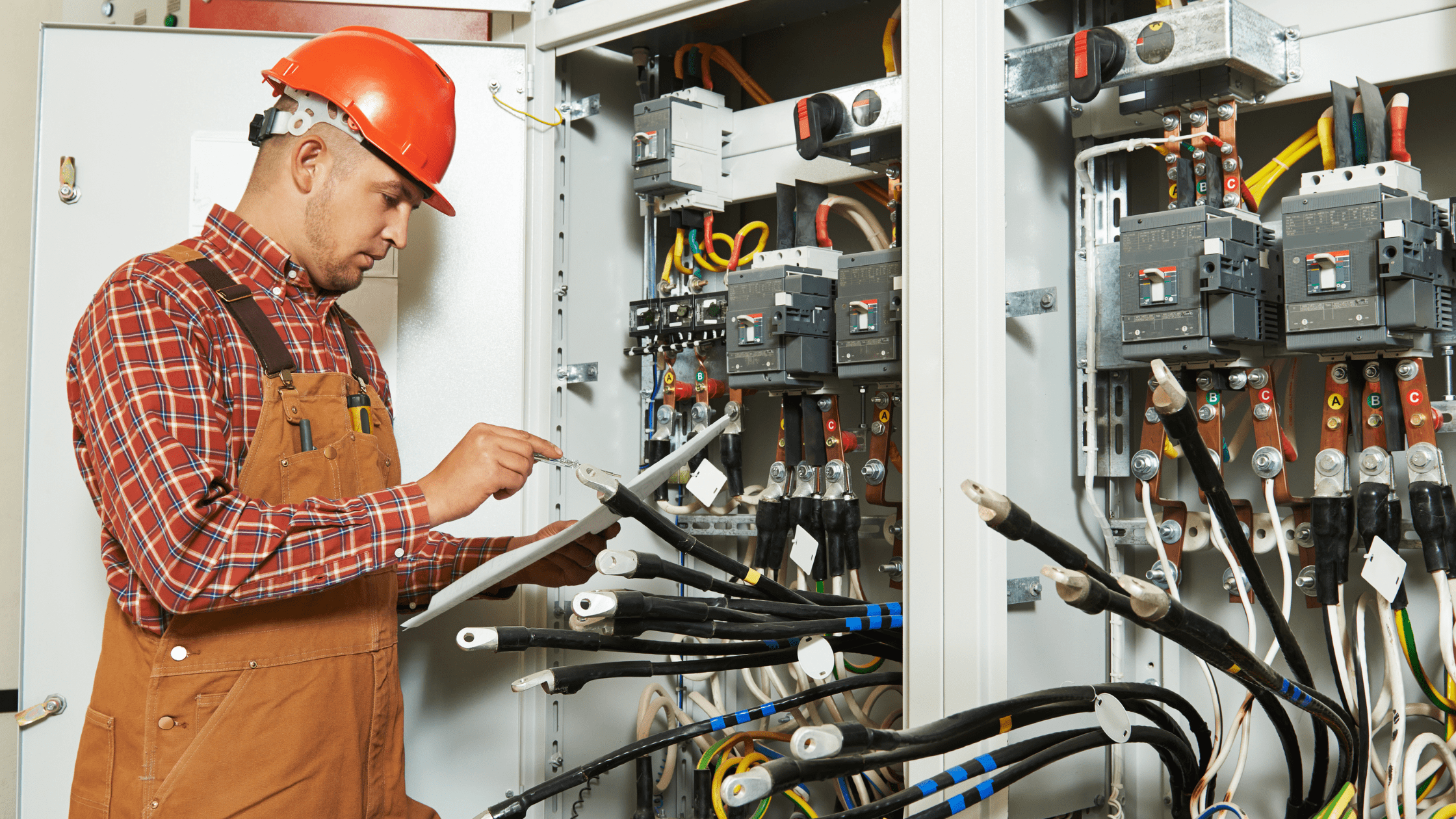
Older systems were not designed around today’s combination of electric cooking, large HVAC equipment, home offices, entertainment systems, workshops, hot tubs, and electric vehicle charging. The issue is not simply the number of devices. It is how loads are distributed across circuits and whether the service and panel can support them. A load calculation may be appropriate before adding major equipment. If breakers trip whenever several ordinary appliances run, adding more receptacles to the same circuit will not solve the underlying capacity problem.
What About Two-Prong Outlets?
Two-prong outlets often indicate that an equipment grounding conductor is not present at that location, although only testing can confirm the circuit configuration. Replacing a two-prong device with a three-prong receptacle does not create a ground. Certain code-compliant alternatives may be available depending on the circuit and protection, but the outlet must be installed and labeled correctly. For equipment that depends on grounding, new grounded wiring may be the better solution.
What Happens During a Wiring Evaluation?
An electrician may review the service, panel, breakers or fuses, grounding and bonding, representative receptacles and switches, accessible wiring, high-load equipment, and signs of previous alterations. Testing may identify reversed polarity, missing grounding, voltage problems, or protection issues.
No standard inspection can see every cable behind finished walls. The electrician should explain what was accessible, what was tested, and whether additional investigation is recommended. SJ Electric states that it provides repairs, troubleshooting, panel upgrades, safety inspections, installations, and wiring for residential and commercial clients in Olathe. Those services allow a wiring plan to be based on the whole system rather than one visible symptom.
When Is Full Rewiring More Likely?
A complete or extensive rewire becomes more likely when problems are widespread. Examples include deteriorated insulation across many circuits, pervasive unsafe alterations, major grounding deficiencies, repeated overheating, or a renovation that opens most walls and changes the home’s electrical layout. The decision should be supported by documented findings. Homeowners should ask which conditions require replacement, which upgrades are recommended, and which portions of the system can remain.
Frequently Asked Questions
How long does a whole-home rewire take?
Timing depends on the size and layout of the house, accessibility, occupancy, permit process, finish restoration, and project scope. A contractor should provide a project-specific sequence.
Do walls have to be removed?
Not always. Electricians may route cable through attics, basements, crawl spaces, and limited openings. Some wall or ceiling access may still be needed.
Should wiring be evaluated before remodeling?
Yes. Planning before finishes are installed can reduce rework and help ensure that the new space has adequate circuits, receptacles, lighting, and panel capacity.
Who can determine whether a home needs rewiring?
A licensed electrician in Olathe can inspect accessible components, test circuits, and prepare a scope based on the home’s condition and planned electrical use.

We help homeowners. We help people stay powered and safe.
We listen. We troubleshoot. We deliver electrical solutions that work.
Want to talk wiring, lighting, or upgrades? Fill out a form here or call us at (913) 837-3549.
We’re here to keep your home or business running smoothly and efficiently.
Follow SJ Electric on Facebook and Instagram for project highlights, tips, and updates from the Kansas City area.


